
Book Appointment Now

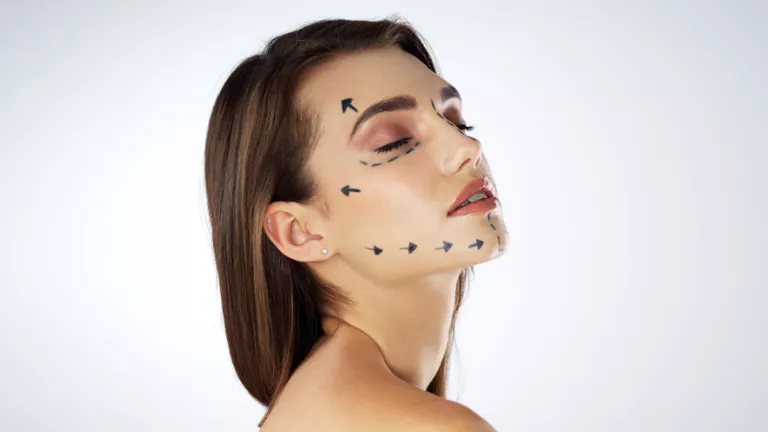
Genioplasty (Chin Tip Aesthetics)
İçindekiler Tablosu - Table of Contents
- 1 What Is Genioplasty (Chin Surgery)?
- 2 How Is Genioplasty Performed?
- 3 Who Is a Suitable Candidate for Genioplasty?
- 4 Differences Between Genioplasty and Chin Fillers
- 5 What Are the Types of Genioplasty?
- 6 How Long Does Genioplasty Take?
- 7 Recovery Process After Genioplasty
- 8 Risks and Possible Complications
- 9 Things to Consider After Genioplasty
- 10 Genioplasty (Chin Surgery) Prices 2026
- 11 Frequently Asked Questions
- 11.1 Is genioplasty permanent, and does the face change over time?
- 11.2 How long does numbness last after genioplasty?
- 11.3 Will there be a scar, and where is the incision made?
- 11.4 What is the difference between genioplasty and a chin implant?
- 11.5 When can patients return to work or school after genioplasty?
- 11.6 What should be done if chin asymmetry occurs after genioplasty?
What Is Genioplasty (Chin Surgery)?
Genioplasty is a permanent chin surgery procedure that reshapes the chin at the bone level. It is performed to move the chin forward, backward, or reduce its size. It balances the facial profile and improves lower face proportions.
The procedure may create more defined contours in individuals with a weak chin projection. In some patients, it may also help reduce asymmetry. Planning is customized with facial measurements and imaging techniques. Properly performed genioplasty aims for a natural appearance and avoids exaggerated contours.
How Is Genioplasty Performed?
This aesthetic procedure is performed by cutting, repositioning, or reshaping the chin bone. Genioplasty is usually performed through an incision inside the mouth, which lowers the risk of visible external scars. The surgeon moves the bone in the planned direction and stabilizes it. Fixation is generally achieved with small plates and screws.
In some cases, the bone is reshaped and the chin is reduced. The surgical plan is prepared millimetrically according to facial proportions before the operation. Choosing the appropriate technique improves symmetry and profile harmony after chin surgery.
Who Is a Suitable Candidate for Genioplasty?
It is suitable for candidates with a recessed, small, or asymmetrical chin and is often preferred by adults seeking better facial balance. If the chin is positioned too far back, the lower face may appear weak and the neck contour less defined. Bite alignment and jaw relationships must always be evaluated during examination.
In some patients, planning together with orthodontic treatment may be necessary. The procedure is generally not recommended before bone development is complete. In patients with thinner facial structures, more moderate goals should be selected. Proper patient selection is the most important factor affecting genioplasty satisfaction.
Differences Between Genioplasty and Chin Fillers
Genioplasty is permanent, while chin fillers are temporary aesthetic procedures that add volume. Genioplasty changes the bone position and creates a stronger effect on the facial profile. Fillers add volume to soft tissues and provide limited correction.
In cases of severe chin recession or significant asymmetry, the surgical option may be more effective. For mild contour enhancement, fillers offer a faster and more practical solution. The effect of fillers gradually decreases over time and may require repetition. The genioplasty plan becomes clear according to facial proportions and expectations. The most suitable choice is determined through examination.
What Are the Types of Genioplasty?
Types of genioplasty include chin advancement, setback, reduction, and asymmetry correction. The advancement technique aims to move a recessed chin forward. The setback technique brings a protruding chin into a more balanced position.
The reduction approach may make a long or wide chin appear slimmer. Vertical adjustment may be preferred to balance lower facial length. In asymmetry correction, the right and left sides are planned separately. The genioplasty technique is selected individually according to facial measurements and profile analysis.
How Long Does Genioplasty Take?
Also known as chin surgery, genioplasty usually takes about 1–2 hours in most patients. The duration may vary depending on the chosen technique and additional procedures. Cases involving only chin advancement are generally shorter. Asymmetry correction and additional contouring may extend the operation time.
Anesthesia preparation and recovery also affect the total duration. Some patients may be discharged on the same day. Proper medical follow-up helps manage the early recovery period after genioplasty more comfortably. A clear plan makes the process more predictable.
Recovery Process After Genioplasty
The initial recovery after genioplasty usually becomes noticeable within 1–2 weeks. Swelling, tightness, and mild bruising may occur during the first days. In most patients, swelling decreases significantly after the first week. A soft diet reduces pressure on the chin area and improves comfort.
If there is an incision inside the mouth, oral hygiene becomes very important. Final facial contours become clearer within a few months as swelling completely resolves. Regular follow-ups help monitor whether the genioplasty results align with the treatment plan.
Risks and Possible Complications
Genioplasty is generally safe, but like any surgery, it may involve certain risks. Temporary numbness and sensitivity are among the most common conditions after genioplasty. The risk of bleeding and infection decreases with proper care and hygiene. In rare cases, asymmetry or unwanted contour changes may occur.
Some patients may feel discomfort related to plates and screws. Smoking may slow healing and increase risks. An experienced team and proper planning reduce the likelihood of genioplasty complications. Early evaluation helps manage potential problems quickly.
Things to Consider After Genioplasty
Good post-operative care after genioplasty helps reduce swelling and accelerate recovery. Choosing soft foods during the first days reduces strain while chewing. It is important to take prescribed medications regularly. Oral hygiene and recommended mouthwashes lower the risk of infection.
Heavy exercise and contact sports should be avoided during the first weeks. Keeping the head elevated may help control swelling. Smoking and alcohol may negatively affect genioplasty recovery. A doctor should be consulted in cases of unusual pain or fever.
Genioplasty (Chin Surgery) Prices 2026
Genioplasty prices in 2026 vary depending on the hospital, surgeon’s experience, and scope of the procedure. The technique used and operating room conditions affect genioplasty costs. In some patients, planning may include additional aesthetic procedures. This may increase the total genioplasty cost.
Follow-up and monitoring services may be included in the package or charged separately. The most accurate genioplasty prices for 2026 become clear after a personalized treatment plan is created following examination. Safety and natural-looking results are just as important as cost.
Frequently Asked Questions
Is genioplasty permanent, and does the face change over time?
Genioplasty is permanent, but the skin and soft tissues naturally change with age. Since genioplasty repositions the bone structure, the results are maintained for a long time. Over time, weight changes and loss of skin elasticity may affect facial contours.
These changes do not completely eliminate the aesthetic result. Procedures performed with proper proportions tend to age more naturally. Skin care and a healthy lifestyle may support the appearance. Regular follow-ups help monitor profile balance over time. Realistic expectations increase satisfaction.
How long does numbness last after genioplasty?
Numbness after genioplasty is usually temporary and decreases within weeks. Since the nerves around the chin are close to the surgical area, changes in sensation may occur. Numbness may feel more noticeable during the first days. In most patients, sensation gradually returns.
In some cases, complete recovery may take several months. If numbness increases or remains significantly one-sided, evaluation is necessary. Recovery time may vary from person to person. Proper surgical planning helps reduce nerve-related risks after genioplasty.
Will there be a scar, and where is the incision made?
Genioplasty is generally performed through the inside of the mouth, so it usually leaves no visible external scar. The incision is commonly made inside the lower lip to access the chin internally. This method reduces the likelihood of visible skin scars. Internal stitches usually dissolve on their own.
Regular oral hygiene supports smooth healing. In rare cases requiring a different plan, the incision location may change. The surgeon selects the safest approach according to the patient’s anatomy. Following aftercare instructions helps reduce scar and infection risks after genioplasty.
What is the difference between genioplasty and a chin implant?
Genioplasty changes the position of the bone, while a chin implant creates volume with an additional material. Genioplasty improves profile balance at the bone level by moving the chin forward or backward. An implant adds projection by being placed onto the chin area.
In cases of major asymmetry or significant recession, a bone-based approach may provide more control. Implant procedures may be shorter in some patients, but material compatibility is important. Measurements are essential in both options. A doctor’s examination clarifies the most suitable approach according to facial proportions.
When can patients return to work or school after genioplasty?
Most people can return to work or school within 7–10 days after genioplasty. Patients with desk jobs usually return more quickly. Swelling and fatigue may affect social comfort during the first days. Physically demanding jobs may require a longer recovery period.
Diet and oral hygiene directly affect healing. Follow-up appointments show whether the recovery process after genioplasty is progressing correctly. A longer waiting period may be necessary before returning to intense sports. Return timing varies according to individual healing speed.
What should be done if chin asymmetry occurs after genioplasty?
If asymmetry is suspected after chin surgery, swelling should first be allowed to subside before evaluation. During the first weeks, swelling may make the chin appear different from its final shape. For this reason, making an early judgment is not appropriate. The surgeon evaluates the result through examination and measurements.
Minor irregularities may improve over time. In permanent asymmetry cases, revision options may be considered. Some patients may only require minor corrections. Regular follow-up makes it easier to identify and manage potential problems early.