
Book Appointment Now

Tartar Removal Turkey
İçindekiler Tablosu - Table of Contents
- 1 What Is Tartar Removal Turkey?
- 2 How Is Tartar Removal Done?
- 3 What Is Tartar?
- 4 Causes of Tartar Formation
- 5 What Happens If Tartar Is Not Cleaned?
- 6 Does Tartar Cause Bad Breath?
- 7 Does Tartar Removal Hurt?
- 8 How Long Does Tartar Removal Take?
- 9 When Should Tartar Removal Be Done?
- 10 How Often Should I Have Tartar Removal?
- 11 Methods Used in Tartar Removal
- 12 Will Gum Recession Occur After Tartar Removal?
- 13 Nutrition After Tartar Removal
- 14 Tartar Removal Turkey Cost 2026
What Is Tartar Removal Turkey?
Tartar removal in Turkey is a professional dental cleaning procedure that removes hardened plaque and tartar from the teeth to improve oral hygiene and help prevent gum disease. Tartar, also known as dental calculus, forms when plaque builds up and hardens over time due to minerals in saliva. Unlike soft plaque, tartar cannot be removed with regular brushing or flossing. Tartar removal in Turkey is performed by dental professionals using advanced tools and modern techniques to safely eliminate these deposits.
The procedure not only supports better oral health but also improves the appearance of the teeth by removing buildup and surface stains. It can also help reduce gum inflammation, bleeding, and bad breath caused by bacterial accumulation. Regular tartar removal appointments are recommended for maintaining long-term oral health. Many patients notice a cleaner and fresher feeling immediately after treatment. This procedure is considered an essential part of preventive dental care.
How Is Tartar Removal Done?
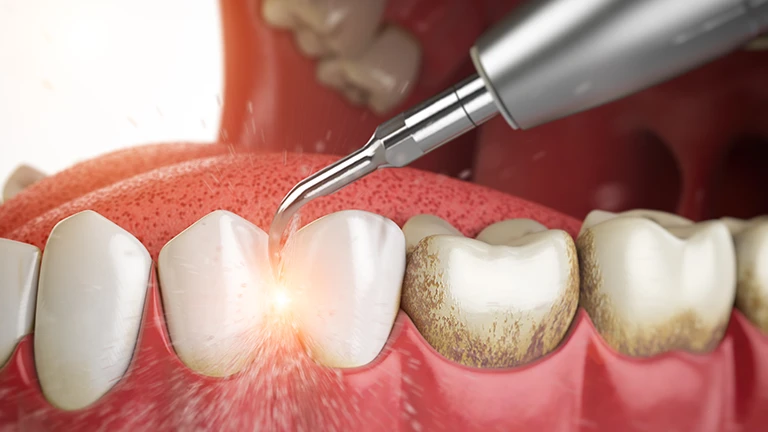
Tartar removal in Turkey is carried out using modern dental techniques designed to ensure effective cleaning while prioritising patient comfort and safety. The procedure usually begins with an oral examination to evaluate the amount of tartar buildup. Ultrasonic scaling devices are then used to break apart and remove hardened deposits from the tooth surface. These instruments work with high-frequency vibrations and water spray to clean efficiently without harming the enamel.
Manual tools may also be used to clean areas that require greater precision. After tartar removal, the teeth are polished with a special paste to create a smoother surface and help reduce future plaque accumulation. In some cases, deeper cleaning may be necessary to remove deposits below the gum line. Tartar removal in Turkey also supports healthier gums by reducing inflammation and bacterial buildup. The treatment is usually completed in a single session, depending on the severity of the condition. Most patients notice an immediate improvement in cleanliness and comfort.
What Is Tartar?
Tartar is hardened plaque that forms on the teeth when plaque is not removed effectively and becomes mineralised over time. Plaque is a sticky layer of bacteria that develops on the teeth after eating and drinking. If it is not cleaned away regularly, it hardens into tartar. Tartar often forms near the gum line and between the teeth, where brushing may be less effective.
Once tartar develops, it cannot be removed with normal oral hygiene methods at home. It creates a rough surface where bacteria can continue to grow and multiply. This can lead to gum irritation, inflammation, and other oral health issues. Over time, untreated tartar may contribute to more serious dental problems. Professional cleaning is necessary to remove it completely. Understanding how tartar forms is important for preventing it in the future.
Causes of Tartar Formation
Several factors contribute to tartar buildup, and tartar forms more easily when oral hygiene is inadequate or certain lifestyle habits increase plaque accumulation. Irregular brushing allows plaque to remain on the teeth for longer periods. Not flossing properly can lead to buildup between the teeth. Smoking is one of the major factors that accelerates tartar formation. Diet also plays an important role, especially frequent consumption of sugary and starchy foods.
These foods support bacterial growth and increase plaque production. The natural composition of saliva can also affect how quickly plaque hardens into tartar. Some individuals are naturally more prone to buildup than others. Poor hydration may further contribute to the problem. Skipping regular dental check-ups allows tartar to accumulate over time. Consistent oral care and professional cleanings are the best ways to reduce the risk.
What Happens If Tartar Is Not Cleaned?
If tartar is left untreated, it can lead to serious oral health problems affecting both the teeth and gums. One of the earliest signs is gum inflammation, also known as gingivitis. The gums may become red, swollen, and more likely to bleed. If this condition is not treated, it can progress to periodontitis, which is a more advanced form of gum disease.
Over time, the structures supporting the teeth may weaken. In severe cases, this may eventually result in tooth loss. Tartar also contributes to persistent bad breath because it allows bacteria to thrive. It can negatively affect the appearance of the teeth by making stains and buildup more visible. Regular tartar removal helps prevent these complications. Early treatment is important for protecting long-term oral health.
Does Tartar Cause Bad Breath?
Yes, tartar can contribute to bad breath because it creates an environment where bacteria collect and produce unpleasant odours. Food particles often become trapped around tartar deposits. Bacteria break down these particles and release sulphur compounds, which are one of the main causes of bad breath. Gum inflammation linked to tartar can make the problem worse.
Tartar removal in Turkey helps eliminate these deposits and reduce the bacteria responsible for oral odour. Maintaining good oral hygiene is essential for preventing bad breath from returning. Regular professional cleaning supports fresher breath and better oral health in the long term.
Does Tartar Removal Hurt?
Tartar removal in Turkey is generally considered a comfortable and routine dental procedure. Most patients do not experience pain, although mild sensitivity may occur in some cases. During the procedure, patients may feel a slight vibration or tickling sensation as the tartar is removed. Those with sensitive teeth or inflamed gums may notice minor discomfort.
This feeling is usually temporary and settles quickly after treatment. In more sensitive situations, local anaesthesia may be used. Modern dental equipment is designed to minimise discomfort as much as possible. After the procedure, some patients may experience temporary sensitivity to hot or cold foods. This usually resolves within a few days. Overall, tartar removal in Turkey is safe, manageable, and well tolerated by most patients.
How Long Does Tartar Removal Take?
The length of tartar removal in Turkey depends on the amount of buildup and the overall condition of the gums and teeth. In most cases, the procedure takes between 30 and 60 minutes. Mild tartar buildup can usually be treated more quickly. Moderate or heavy accumulation may require a longer and more detailed cleaning session. If deep cleaning is needed below the gum line, the procedure may take more time. The dentist will assess the condition before starting the treatment. Most patients complete tartar removal in a single visit. There is usually no recovery period, and patients can return to their daily routine immediately after the appointment.
When Should Tartar Removal Be Done?
Regular tartar removal is an important part of preventive dental care and should be performed at intervals recommended by a dentist. For many people, professional cleaning every six months is ideal. However, individuals who are more prone to tartar buildup may need more frequent visits. Signs such as bleeding gums, bad breath, or visible tartar deposits may indicate that cleaning is needed sooner.
Smokers and people with gum problems often require closer monitoring. Routine dental examinations help determine the most suitable schedule. Tartar removal in Turkey supports gum health, improves oral hygiene, and helps prevent more serious dental conditions. Consistent care is essential for long-term oral well-being.
How Often Should I Have Tartar Removal?
The frequency of tartar removal depends on individual oral hygiene habits, lifestyle factors, and how quickly plaque hardens on the teeth. Most patients benefit from professional tartar removal every six months. However, some people may need it more often, especially if they experience rapid tartar buildup. Smokers, patients with gum sensitivity, and those with a history of gum disease may require shorter intervals between appointments.
Dentists usually recommend a personalised schedule based on each patient’s oral condition. Tartar removal in Turkey helps prevent gum disease, bad breath, and long-term dental complications. Skipping regular appointments may allow tartar to accumulate and lead to more complex problems. Preventive care is always more effective than corrective treatment.
Methods Used in Tartar Removal
Tartar removal in Turkey involves different methods depending on the severity of buildup and the condition of the gums. One of the most common techniques is ultrasonic scaling. This method uses high-frequency vibrations to loosen hardened tartar from the tooth surface. Water spray is used at the same time to wash away debris and keep the area clean.
Manual scaling instruments may also be used for more detailed cleaning in difficult areas. After the tartar is removed, polishing is usually performed to smooth the tooth surface and reduce future plaque accumulation. In more advanced cases, root planing may be needed to clean below the gum line. These methods are selected based on the patient’s needs. Modern dental technology makes the process efficient, safe, and comfortable.
Will Gum Recession Occur After Tartar Removal?
Tartar removal in Turkey does not cause gum recession, but it may reveal the natural gum level once the hardened deposits are removed. In some cases, tartar buildup covers areas where the gums have already pulled back. After cleaning, the teeth may appear slightly longer, which can be mistaken for new recession. In reality, the procedure helps improve gum health by removing the irritants causing inflammation. As the gums heal, swelling often decreases and the tissue becomes firmer. If gum recession is already present due to advanced gum disease, tartar removal helps prevent it from getting worse. Regular cleanings and proper oral hygiene are essential for maintaining healthy gums.
Nutrition After Tartar Removal
Diet can play a helpful role after tartar removal in Turkey, especially if the teeth or gums feel temporarily sensitive. Soft foods are often recommended immediately after the procedure. Extremely hot or cold foods should be avoided for a short time if sensitivity is present.
Acidic foods and drinks may also cause temporary discomfort. Drinking enough water helps maintain oral balance and supports recovery. Sugary foods should be limited, as they contribute to plaque buildup. Avoiding strongly coloured foods and beverages may also help maintain a cleaner appearance after polishing. Gentle eating habits can protect sensitive areas and support gum comfort. A balanced diet contributes to better oral health overall.
Tartar Removal Turkey Cost 2026
Tartar removal Turkey cost in 2026 can vary depending on the clinic, the dentist’s experience, the technology used, and the complexity of the treatment. The amount of tartar buildup is one of the main factors affecting the price. If additional procedures such as deep cleaning are required, the cost may increase. Clinic reputation, location, and equipment standards can also influence pricing.
Despite these variables, tartar removal in Turkey is generally considered more affordable than in many other countries. Many clinics offer transparent pricing and include consultation in the treatment plan. A personalised dental examination is the best way to receive accurate cost information. For many international patients, tartar removal Turkey remains a cost-effective option for quality dental care.