
Book Appointment Now

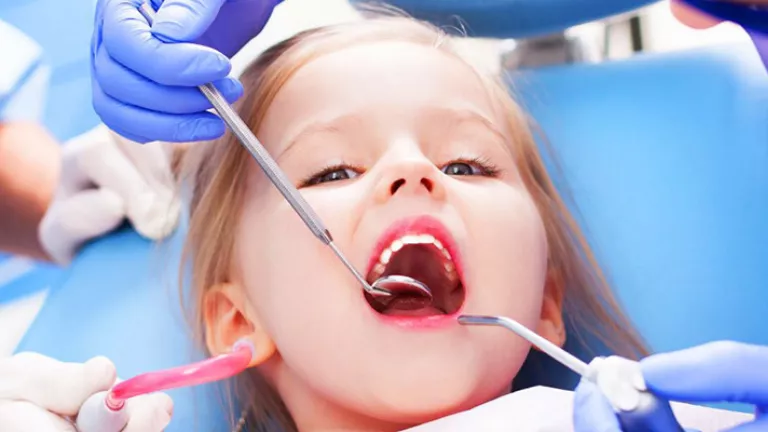
Pediatric Dentistry
İçindekiler Tablosu - Table of Contents
- 1 What Is Pediatric Dentistry?
- 2 Who Is a Pediatric Dentist and What Do They Do?
- 3 Which Age Group Does Pediatric Dentistry Serve?
- 4 The Importance of Dental Health in Children
- 5 What Are Pediatric Dentistry Treatment Methods?
- 6 Primary Tooth Treatments and Their Importance
- 7 Preventing Tooth Decay in Children
- 8 Dental Trauma and Pediatric Dentistry Interventions
- 9 When Should Children Have an Orthodontic Examination?
- 10 Children’s Dental Treatment with Sedation and General Anesthesia
- 11 How Often Should Pediatric Dentistry Visits Be Made?
- 12 Pediatric Dentistry Prices 2026
- 13 Frequently Asked Questions
- 13.1 What age range does pediatric dentistry cover?
- 13.2 When should I take my child to the first dental examination?
- 13.3 Should primary teeth be treated?
- 13.4 Is anesthesia applied during pediatric dentistry treatment?
- 13.5 How can children develop a tooth brushing habit?
- 13.6 Can tooth decay in children affect permanent teeth?
- 13.7 What is the difference between a pediatric dentist and a general dentist?
What Is Pediatric Dentistry?
Pediatric dentistry is a branch of dentistry that focuses on children’s oral and dental health, including the protection and treatment of primary and permanent teeth. This field enables child-specific approaches to be developed. Since dental development takes shape during childhood, early intervention is important. Thanks to this branch, dental problems can be detected at an early stage. Special methods are used to help children avoid fear of the dentist. A psychological approach plays an important role during the treatment process.
Within this scope, preventive and therapeutic procedures are applied. Fluoride applications are commonly used in this field. Dental fissure sealant procedures help prevent tooth decay. Regular check-ups are necessary for healthy dental development. Children are encouraged to develop oral hygiene habits. Parental awareness supports the process. Children’s eating habits are also important. Measures taken at an early age affect later years. Therefore, this specialty is a very important field.
Who Is a Pediatric Dentist and What Do They Do?
Specialists who protect and treat children’s dental health are called pediatric dentists, and these professionals receive special training in pediatric dentistry. These specialists apply treatment methods suitable for children. They closely monitor dental development. A pediatric dentist focuses on protecting the health of primary teeth. They also support the proper eruption of permanent teeth. Preventive applications are carried out in this field. Children are taught oral care habits. Techniques are used to reduce fear of the dentist.
A pediatric dentist informs and guides families. Tooth decay treatments play an important role in this process. Rapid intervention is performed in cases of trauma. These specialists approach children with patience and care. Communication with children is critically important in this field. The treatment process is shaped according to the child’s psychology. In this way, healthy results can be achieved.
Which Age Group Does Pediatric Dentistry Serve?
Pediatric dentistry, which provides dental health services for children, serves the age group from birth to the end of adolescence. During this period, dental development is closely monitored. Primary teeth begin to erupt at an early age. Regular check-ups are important during this period. With this approach, dental problems can be noticed early. Children’s oral structure constantly changes.
For this reason, specialist follow-up is required. Applications are planned according to age. Oral health can be evaluated even during infancy. Regular follow-up continues until adolescence. Tooth decay is common at these ages. With this method, risks can be reduced. Oral care habits are established at an early age. Healthy dental development is supported throughout this process. Therefore, pediatric dentistry is important for every age.
The Importance of Dental Health in Children
With habits gained during childhood, oral and dental health can be protected throughout life within the scope of pediatric dentistry. Healthy teeth also affect general health. Cavities can cause pain in children. This may negatively affect nutrition. Early intervention is provided in this field. Dental health is also important for self-confidence. Aesthetic appearance can affect children.
Regular care habits should be developed. This process is supported by specialist follow-up. Families need to be conscious. The consumption of sugary foods should be limited. Tooth brushing habits should begin at an early age. Check-ups should not be neglected. Healthy teeth improve quality of life. Therefore, dental health in children is of great importance.
What Are Pediatric Dentistry Treatment Methods?
Treatment methods specially applied for children are planned within the scope of pediatric dentistry and include various procedures aimed at protecting dental health. These methods are divided into preventive and therapeutic procedures. Fluoride applications reduce the formation of cavities. Fissure sealants protect the tooth surface. Filling procedures treat cavities. Root canal treatment may also be performed within this scope.
Tooth extraction may be necessary in some cases. Trauma treatments have an important place. Child-friendly techniques are used. Applications are often performed in a comfortable way. Behavior guidance techniques are used. The aim is to prevent children from experiencing fear. Oral hygiene education is provided. With this approach, long-term protection is achieved. These methods support children’s healthy development.
Primary Tooth Treatments and Their Importance
Although they are temporary, the health of primary teeth is very important in pediatric dentistry and should not be neglected. Primary teeth provide chewing function. They also support speech development. This field aims to protect these teeth. Early losses may lead to serious problems. They can affect the position of permanent teeth. Therefore, they need to be treated.
Within this scope, filling and root canal treatment can be applied. Cavities should be treated at an early stage. Attention should be paid to oral hygiene. Regular check-ups are important. In this way, healthy development is supported. Primary teeth serve as guides. Therefore, they should not be neglected. Healthy primary teeth affect the future.
Preventing Tooth Decay in Children
With measures taken at an early age, tooth decay in children can be largely prevented within the scope of pediatric dentistry. Regular tooth brushing habits should be developed. Sugary foods should be limited. Fluoride applications provide protection. A specialist dentist guides this process. Family awareness is important.
The use of dental floss should be supported. Regular check-ups should not be neglected. Fissure sealants are an effective method. Tooth decay is reduced in this way. Specialists evaluate the risks. Early diagnosis is important. Oral hygiene habits are developed. Regular care is essential for healthy teeth. In this way, children can be protected.
Dental Trauma and Pediatric Dentistry Interventions
In dental injuries commonly seen in children, fast and correct intervention within the scope of pediatric dentistry is very important. Trauma usually occurs as a result of falling. Tooth fracture is a common condition. Specialists intervene in these situations. Broken teeth can be treated. Displaced teeth can be repositioned.
Early intervention increases success. This process plays a critical role. Families need to be conscious. A dentist should be consulted after trauma. Delay may lead to permanent damage. Applications aim to protect the tooth. Children’s safety is also important. Protective measures should be taken. In this way, risks can be reduced.
When Should Children Have an Orthodontic Examination?
To monitor dental development correctly, an orthodontic examination within the scope of pediatric dentistry should generally be performed at an early age. The first evaluation is recommended around the age of 6-7. During this period, permanent teeth begin to erupt. The jaw structure is examined. Specialists provide guidance. Orthodontic problems are noticed early.
In this way, treatment becomes easier. Crowding can be corrected at an early stage. This process is supported by regular follow-up. Regular check-ups are important. The oral structure constantly changes. Therefore, follow-up is necessary. Early intervention provides an advantage. Healthy development is supported through pediatric dentistry. For this reason, check-ups should not be neglected.
Children’s Dental Treatment with Sedation and General Anesthesia
In difficult cases and in children with cooperation problems, treatment may be performed with sedation or general anesthesia within the scope of pediatric dentistry. These methods provide comfort. Children do not feel pain during the procedure. Thus, applications can be performed more easily. They are especially preferred in younger age groups.
They are suitable for long procedures. They are applied safely. Specialist supervision is important. Careful planning is carried out during this process. Families are informed. The treatment process is completed more quickly. Children do not experience stress. These methods are used in special cases. Safe treatment is possible with pediatric dentistry. In this way, successful results can be achieved.
How Often Should Pediatric Dentistry Visits Be Made?
To protect children’s oral and dental health, pediatric dentistry check-ups should generally be performed regularly every six months. These check-ups provide early diagnosis. Dental development is closely monitored. This process plays an important role. Tooth decay is noticed early. Necessary precautions are taken. Oral hygiene habits are evaluated.
Families are informed. With this approach, risks are reduced. The habit of regular check-ups is developed. Children’s fear of the dentist decreases. Healthy development is supported. This process provides long-term benefits. In this way, dental health is protected. Therefore, check-ups should not be neglected.
Pediatric Dentistry Prices 2026
When pediatric dentistry prices for 2026 are evaluated, it is seen that they vary depending on the type of treatment to be applied and the child’s needs. Since every child’s dental structure, treatment requirements, and behavioral condition are different, it is not possible to provide a clear price range. Therefore, pediatric dentistry treatments require individual evaluation and a specialist approach.
Frequently Asked Questions
What age range does pediatric dentistry cover?
Pediatric dentistry, which focuses on children’s oral and dental health, serves the age range from birth to the end of adolescence. During this process, dental development is continuously monitored. Primary teeth begin to erupt at an early age. Therefore, check-ups should begin at a young age. In this way, dental problems can be noticed early. Children’s oral structure constantly changes.
This situation requires regular check-ups. Applications are planned according to age. Oral health can be evaluated even during infancy. Follow-up continues until adolescence. Tooth decay is common at these ages. In this field, risks can be reduced. Oral care habits are established at an early age. Healthy dental development is supported. Therefore, pediatric dentistry is important for every age.
When should I take my child to the first dental examination?
A child’s first dental examination should generally be performed after the first tooth erupts or no later than the age of one by taking the child to a pediatric dentistry check-up. This early check-up helps build habits. Dental development is closely monitored. In this way, possible problems can be noticed early. Fear of the dentist does not develop in the child. Families are informed during this process.
Education about oral cleaning is provided. Check-ups should become regular. The first visit is very important. In this way, the child’s adaptation becomes easier. Early diagnosis makes the treatment process easier. Healthy dental development is supported. Preventive measures are taken. Regular check-ups should become a habit. In this way, long-term oral health is maintained.
Should primary teeth be treated?
Although they are temporary, primary teeth should definitely be treated within the scope of pediatric dentistry and should not be neglected. These teeth provide chewing function. They also support speech development. This field focuses on protecting primary teeth. Early losses may lead to serious problems. They can affect the position of permanent teeth.
Therefore, they need to be treated. Within this scope, filling and root canal treatment can be applied. Cavities should be treated at an early stage. Attention should be paid to oral hygiene. Regular check-ups are important. In this way, healthy development is supported. Primary teeth serve as guides. Therefore, they should not be neglected. Healthy teeth affect the future.
Is anesthesia applied during pediatric dentistry treatment?
In procedures performed on children, anesthesia may be applied when necessary during pediatric dentistry treatments to provide comfort. Local anesthesia is the most commonly preferred method. In this way, the child does not feel pain. Procedures are performed more comfortably. In some cases, sedation may be used. This method is preferred for long procedures.
The child’s age and condition are evaluated. Specialists determine the appropriate method. Safe applications are preferred. Families are informed about the process. The treatment process becomes more comfortable. The aim is to prevent children from experiencing fear. Safe treatment is possible with pediatric dentistry. In this way, successful results can be achieved. Children’s psychology is protected.
How can children develop a tooth brushing habit?
With the right methods at an early age, children can easily develop a tooth brushing habit in line with pediatric dentistry recommendations. Families should set an example during this process. Tooth brushing should be made enjoyable. Creating a routine is important. Specialists provide guidance on this issue. Brushes suitable for children should be used.
The habit should be developed at a young age. A reward system can provide motivation. Regular repetition is important. Correct techniques are taught in this field. Oral hygiene habits develop early. This process requires patience. Family support is very important. Healthy habits provide long-term benefits. In this way, dental health is protected.
Can tooth decay in children affect permanent teeth?
If cavities in primary teeth are not treated, they may negatively affect the development of permanent teeth from a pediatric dentistry perspective. This condition increases the risk of infection. Permanent teeth may be damaged. Specialist follow-ups help keep this process under control. Early treatment is very important. Cavities can spread. This condition may cause pain.
With this approach, risks are reduced. Regular check-ups make this process easier. Oral hygiene plays a major role. Children’s nutrition is also important. Sugary foods should be limited. In this way, healthy development is supported. Early intervention provides an advantage. Therefore, cavities should not be neglected.
What is the difference between a pediatric dentist and a general dentist?
While general dentistry serves all age groups, pediatric dentistry is a specialty focused only on children’s oral and dental health. A pediatric dentist receives special training for children. Therefore, they understand child psychology well. Special treatment methods are applied within the scope of pediatric dentistry. Behavior guidance methods are important.
With this specialty, children are treated more comfortably. A general dentist has a broader scope. A pediatric dentist focuses on children. This difference affects the treatment approach. In this way, children do not experience fear. A specialist approach makes the process easier. Families are guided correctly. Healthy results are achieved. Therefore, pediatric dentistry is an important field.